


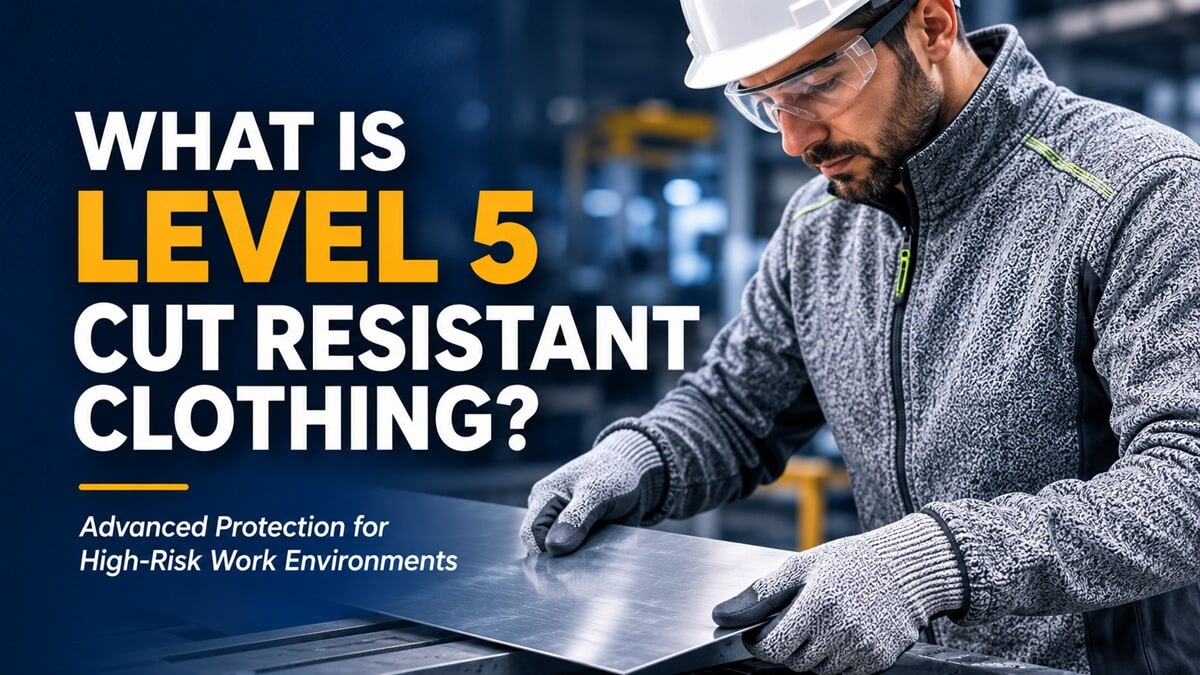
Czym jest odzież odporna na przecięcia poziomu 5?
2026-07-31 15:56
Kolejnym pojawiającym się trendem jest integracja inteligentnych technologii tekstylnych. Przyszła odzież funkcjonalna może być wyposażona w wbudowane czujniki, które będą monitorować ruchy pracowników, wykrywać zagrożenia lub śledzić zużycie odzieży, aby poprawić bezpieczeństwo w miejscu pracy i ułatwić planowanie konserwacji.W miarę rozwoju automatyzacji przemysłowej można się spodziewać stałego wzrostu popytu na specjalistyczną odzież odporną na przecięcia, która łączy w sobie ochronę, wygodę, trwałość i inteligentną funkcjonalność.Wniosek
Odzież odporna na przecięcia odgrywa kluczową rolę w ochronie pracowników przed jednym z najczęstszych zagrożeń przemysłowych – skaleczeniami i ranami szarpanymi. Chociaż odzież odporna na przecięcia poziomu 5 jest wciąż powszechnie znana wielu kupującym, zrozumienie zaktualizowanych norm EN 388 i ANSI dotyczących odporności na przecięcia jest kluczowe dla wyboru najodpowiedniejszego poziomu ochrony.
Postęp w dziedzinie materiałów, takich jak odzież odporna na przecięcia z UHMWPE, włókna aramidowe i inżynieryjne tkaniny odporne na przecięcia, znacząco poprawiły zarówno bezpieczeństwo, jak i komfort użytkowania. Jednocześnie rosnące zapotrzebowanie na wielofunkcyjne środki ochrony indywidualnej (PPE) napędza rozwój innowacyjnej odzieży funkcjonalnej, która oferuje odporność na przecięcia oraz dodatkowe funkcje ochronne.
Dzięki starannej ocenie zagrożeń w miejscu pracy, wydajności materiałów, standardów certyfikacji i długoterminowej trwałości, przedsiębiorstwa mogą wybierać odzież odporną na przecięcia, która zwiększa bezpieczeństwo pracowników, a jednocześnie zwiększa produktywność i ogranicza ryzyko operacyjne.
Często zadawane pytania dotyczące odzieży odpornej na przecięcia
Czy odzież odporna na przecięcia poziomu 5 to najwyższy poziom ochrony?
Zgodnie ze starszą normą EN 388, poziom 5 oznaczał najwyższą odporność na przecięcie ostrzem. Jednak zaktualizowana norma EN 388 stosuje obecnie klasyfikacje od A do F z ISO 13997, podczas gdy norma ANSI/ISEA 105 stosuje klasy od A1 do A9.
Czy UHMWPE jest lepsze od włókien aramidowych?
Oba materiały mają unikalne zalety. Odzież odporna na przecięcia z UHMWPE jest generalnie lżejsza i bardziej elastyczna, natomiast włókna aramidowe zapewniają doskonałą odporność na ciepło i płomienie. Najlepszy wybór zależy od konkretnych zagrożeń występujących w miejscu pracy.
Czy odzież odporna na przecięcia może zapobiec wszystkim urazom?
Nie. Odzież chroniąca przed przecięciem została zaprojektowana tak, aby zmniejszyć ryzyko skaleczeń i ran szarpanych, ale nie gwarantuje całkowitej ochrony przed każdym ostrym przedmiotem lub uderzeniem z dużą siłą. Prawidłowy dobór środków ochrony indywidualnej, szkolenie pracowników i bezpieczne procedury operacyjne pozostają kluczowe.
Jak długo wytrzymuje odzież odporna na przecięcia?
Żywotność zależy od użytkowania, częstotliwości prania i warunków w miejscu pracy. Zaleca się regularną kontrolę, aby upewnić się, że tkanina odporna na przecięcia nie uległa uszkodzeniu lub nadmiernemu zużyciu.
Czy odzież odporną na przecięcia można prać?
Tak. Większość wysokiej jakości odzieży odpornej na przecięcia jest przeznaczona do wielokrotnego prania przemysłowego. Zawsze należy przestrzegać instrukcji producenta dotyczących pielęgnacji, aby zachować właściwości ochronne przez cały okres użytkowania odzieży.
EN 388 Standard
EN 388 evaluates protection against several mechanical risks, including abrasion, blade cuts, tearing, puncture, and, in its latest version, ISO 13997 cut resistance.
The current cut ratings range from A to F:
| Rating | Protection Level | Typical Application |
|---|---|---|
| A | Low | Light assembly work |
| B | Low to medium | Packaging and logistics |
| C | Medium | General manufacturing |
| D | High | Metal fabrication |
| E | Very high | Glass and sheet metal handling |
| F | Maximum | Extremely hazardous cutting environments |
ANSI/ISEA 105 Standard
In North America, ANSI/ISEA 105 is widely used. It classifies cut resistance from A1 through A9 based on the amount of force required to cut through a material.
Higher ratings indicate greater protection but do not necessarily mean the garment is appropriate for every task. Selecting the correct level depends on the actual workplace hazards.
Materials Used in Level 5 Cut Resistant Clothing
The performance of cut resistant clothing depends largely on the fibers used in the textile construction.
UHMWPE Fibers
One of the most widely used materials is ultra-high molecular weight polyethylene, commonly found in UHMWPE cut resistant clothing.
UHMWPE offers several important advantages:
Extremely high strength-to-weight ratio
Excellent cut resistance
Lightweight construction
Low moisture absorption
Comfortable long-term wear
Because of its outstanding balance between protection and comfort, UHMWPE cut resistant clothing has become increasingly popular in automotive manufacturing, logistics, warehousing, and precision assembly.
Aramid Fibers
Another important material is aramid fibers, which are well known for their exceptional mechanical strength and thermal stability.
Unlike UHMWPE, aramid fibers also provide excellent heat resistance, making them suitable for workplaces where both cutting hazards and elevated temperatures are present.
Many manufacturers blend aramid fibers with other high-performance materials to create multi-functional protective textiles.
Composite High-Performance Fibers
Modern cut resistant fabric often combines multiple fibers, including UHMWPE, aramid fibers, fiberglass, steel fibers, and engineered synthetic yarns. By carefully balancing these materials, manufacturers can optimize comfort, flexibility, durability, and cut protection for specific industrial applications.
Which Industries Use Level 5 Cut Resistant Clothing?
Level 5 cut resistant clothing is commonly used wherever workers are exposed to sharp materials or cutting tools.
Typical industries include:
Metal fabrication and sheet metal processing
Glass manufacturing
Automotive assembly
Construction
Machinery manufacturing
Recycling operations
Logistics and warehouse handling
Food processing using sharp knives
Aerospace manufacturing
Each industry presents unique hazards, so employers should perform risk assessments before selecting the appropriate level of cut resistant clothing.
Benefits of Level 5 Cut Resistant Clothing
One of the biggest advantages of level 5 cut resistant clothing is its ability to provide reliable protection while maintaining worker comfort and productivity.
High-quality garments made from advanced cut resistant fabric can significantly reduce the likelihood of lacerations caused by accidental contact with sharp objects. At the same time, modern textile engineering has made these garments lighter, more breathable, and more flexible than earlier generations of protective apparel.
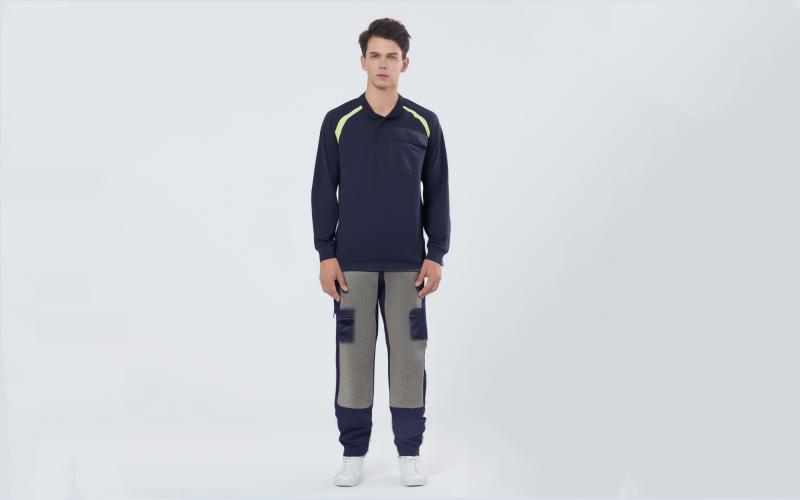
Many manufacturers also integrate additional protective functions into today's functional clothing, allowing a single garment to deliver cut resistance alongside flame resistance, anti-static performance, or moisture management. This multi-functional approach reduces the need for multiple layers of PPE and improves overall wearer comfort.
Another important advantage is durability. Premium cut resistant clothing is designed to withstand repeated industrial laundering and heavy daily use while maintaining its protective properties, helping companies reduce long-term replacement costs.
How to Choose the Right Cut Resistant Clothing
Choosing the right cut resistant clothing requires more than simply selecting the highest protection level.
First, identify the actual cutting hazards present in the workplace. Tasks involving light packaging may only require moderate protection, while handling sheet metal or broken glass may demand much higher levels.
Next, consider whether workers are exposed to additional hazards. In many industrial environments, garments may also need to provide heat resistance, flame protection, or anti-static performance. Selecting functional clothing that combines multiple protective features can improve both safety and efficiency.
Comfort should also be evaluated carefully. Lightweight materials such as those used in UHMWPE cut resistant clothing often improve mobility and reduce fatigue during long work shifts.
Finally, verify that garments comply with recognized international standards such as EN 388 or ANSI/ISEA 105, and request independent testing reports from the manufacturer whenever possible.
Latest Trends in Cut Resistant Clothing
Innovation in cut resistant clothing continues to accelerate as manufacturers develop lighter, stronger, and more sustainable protective textiles.
One of the biggest trends is the increasing adoption of engineered fiber blends. By combining aramid fibers, UHMWPE, and other advanced materials, manufacturers can achieve exceptional cut resistance without significantly increasing garment weight.
Sustainability is also becoming an important priority. Many textile producers are investing in environmentally responsible manufacturing processes, recyclable materials, and longer-lasting cut resistant fabric to reduce waste and improve product life cycles.
Another emerging trend is the integration of smart textile technologies. Future functional clothing may include embedded sensors capable of monitoring worker movement, detecting hazardous conditions, or tracking garment wear to improve workplace safety and maintenance planning.
As industrial automation continues to evolve, demand for highly specialized cut resistant clothing that balances protection, comfort, durability, and intelligent functionality is expected to grow steadily.
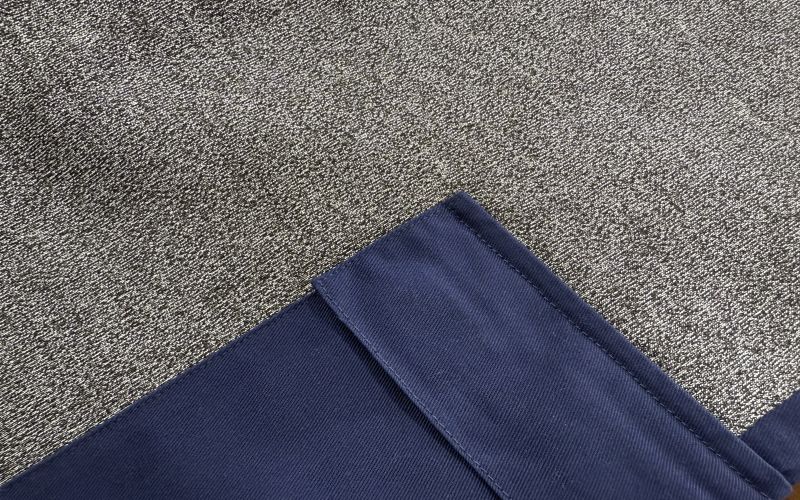
Conclusion
Cut resistant clothing plays a critical role in protecting workers from one of the most common industrial hazards—cuts and lacerations. Although level 5 cut resistant clothing remains a familiar term for many buyers, understanding today's updated EN 388 and ANSI cut resistance standards is essential for selecting the most appropriate level of protection.
Advances in materials such as UHMWPE cut resistant clothing, aramid fibers, and engineered cut resistant fabric have significantly improved both safety and wearer comfort. At the same time, the growing demand for multi-functional PPE is driving the development of innovative functional clothing that offers cut resistance alongside additional protective features.
By carefully evaluating workplace hazards, material performance, certification standards, and long-term durability, businesses can choose cut resistant clothing that enhances worker safety while improving productivity and reducing operational risk.
FAQ About Cut Resistant Clothing
Is Level 5 cut resistant clothing the highest level of protection?
Under the older EN 388 standard, Level 5 represented the highest blade cut rating. However, the updated EN 388 standard now uses ISO 13997 ratings from A to F, while ANSI/ISEA 105 uses ratings from A1 to A9.
Is UHMWPE better than aramid fibers?
Both materials have unique advantages. UHMWPE cut resistant clothing is generally lighter and more flexible, while aramid fibers offer superior heat and flame resistance. The best choice depends on the specific workplace hazards.
Can cut resistant clothing prevent all injuries?
No. Cut resistant clothing is designed to reduce the risk of cuts and lacerations but cannot guarantee complete protection against every sharp object or high-force impact. Proper PPE selection, worker training, and safe operating procedures remain essential.
How long does cut resistant clothing last?
The service life depends on usage, washing frequency, and workplace conditions. Regular inspection is recommended to ensure the cut resistant fabric has not been damaged or excessively worn.
Can cut resistant clothing be washed?
Yes. Most high-quality cut resistant clothing is designed for repeated industrial laundering. Always follow the manufacturer's care instructions to maintain protective performance over the garment's lifespan.
z wiadomości.
więcej czytać. >-
![Przędza ze stali nierdzewnej a przędza przewodząca: jaka jest różnica?]()
Przędza ze stali nierdzewnej a przędza przewodząca: jaka jest różnica?
Porównaj przędzę ze stali nierdzewnej z przędzą przewodzącą pokrytą węglem i srebrem. Poznaj różnice w przewodności, trwałości, elastyczności i zastosowaniach.
-
![Jak działa kurtka antystatyczna?]()
Jak działa kurtka antystatyczna?
Dowiedz się, jak działa osłona antystatyczna, w jaki sposób przewodząca przędza i tkanina antystatyczna rozpraszają ładunki statyczne oraz co wpływa na skuteczność ochrony przed wyładowaniami elektrostatycznymi.
-
![Czym jest kurtka antystatyczna?]()
Czym jest kurtka antystatyczna?
Dowiedz się, czym jest kurtka antystatyczna, jak działa, jakie materiały są z niej wykonane, jakie są jej główne zastosowania, jakie normy ESD obowiązują i jak wybrać odpowiednią kurtkę do pracy.
-
![Do czego wykorzystuje się przędzę ze stali nierdzewnej?]()
Do czego wykorzystuje się przędzę ze stali nierdzewnej?
Dowiedz się, do czego wykorzystuje się przędzę ze stali nierdzewnej, od tkanin antystatycznych i ekranujących EMI po inteligentne tekstylia, ogrzewanie i odzież ochronną.
-
![Czym jest przędza ze stali nierdzewnej?]()
Czym jest przędza ze stali nierdzewnej?
Czym jest przędza ze stali nierdzewnej? Dowiedz się więcej o jej przewodności, właściwościach, rodzajach, zastosowaniach i zastosowaniach w tekstyliach antystatycznych, ESD i funkcjonalnych.
-
![Czym są tekstylia trudnopalne?]()
Czym są tekstylia trudnopalne?
Dowiedz się, czym są materiały tekstylne trudnopalne, jak działają, jakie są główne rodzaje materiałów, zastosowania, normy i jak wybierać materiały trudnopalne do produkcji odzieży ochronnej.
-
![Czym jest tkanina bawełniana trudnopalna?]()
Czym jest tkanina bawełniana trudnopalna?
Wyjaśnia, czym jest bawełniana tkanina trudnopalna, jak działa, czym różni się od materiałów naturalnie trudnopalnych, gdzie jest stosowana, jakie normy powinni brać pod uwagę kupujący oraz jak wybrać odpowiednią tkaninę do programu odzieży ochronnej.
-
![Która tkanina jest lepsza, aramidowa czy kevlarowa?]()
Która tkanina jest lepsza, aramidowa czy kevlarowa?
Porównaj tkaninę aramidową i tkaninę Kevlar, uwzględniając wytrzymałość, odporność na płomienie, zastosowania i kluczowe różnice, aby wybrać odpowiedni materiał ochronny.